That is, in Western-style music and not traditional music. There are many tragic stories in cải lương. For example, Chuyện Tình Lan và Điệp has been compared to the story of Shakespeare. Truth be told, I’ve never found the romance of Lan and Điệp to be like Romeo and Juliet at all (and vice versa), but it’s another discussion for another time.
Continue reading “The most Romeo-and-Juliet song in Vietnamese music”I ended my last post stating that the album Tiếng Hát Chế Linh 1 (1972) is a masterpiece of Vietnamese bolero. Not only there isn’t a single bad song, but also outstanding are at least three-quarters of the songs, including all six that Chế Linh wrote or co-wrote under the name Tú Nhi. Let me tackle one more tune from this album, partially because of the song itself and partially because of a recording by Trường Vũ that may have surpassed Chế Linh’s original recording.
Continue reading “Vietnamese bolero and the pain of love: Đoạn tái bút”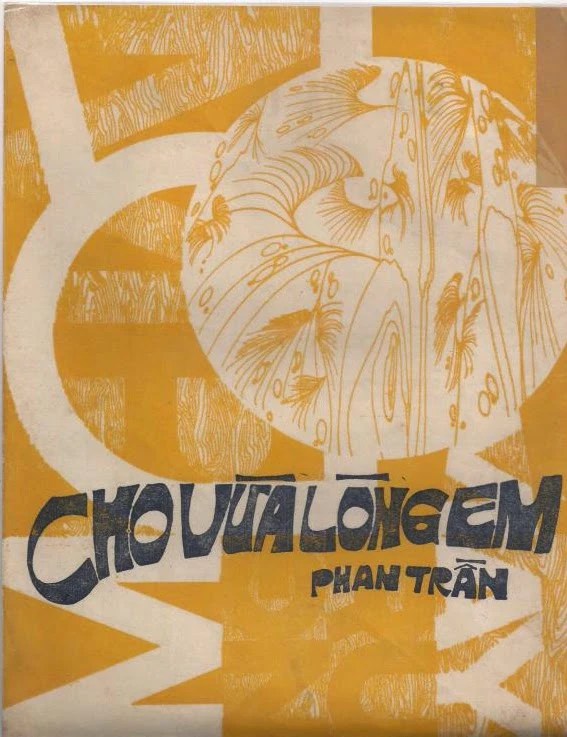
Comparisons of music in different languages and styles could be a hazardous affair. Even at its best, a comparison could be pretty inexact because one could locate as many divergences and differences as parallels and similarities, if not more. And the differences may be too strong to render similarities ineffectual. With this caveat, I nonetheless wish to give this comparison a try.
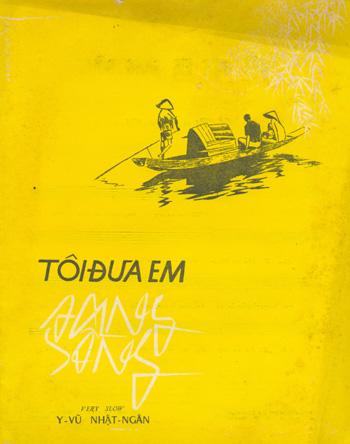
A few months ago, I suggested that the Vietnamese equivalent to Where Do I Begin?, the theme song of the movie Love Story, is a ballad by Trần Thiện Thanh about a young couple in wartime. The song was based on a true story, albeit the deceased at the end is the man rather than the woman as in the novel and movie. There was also temporal proximity, as the Vietnamese song was written and produced two or three years after the release of the sentimental American movie. In other words, both songs came out of the early Seventies.
Continue reading “The Vietnamese equivalent to the Beatles’ Yesterday”
 tuannyriver
You must be logged in to post a comment.