
Continue reading “A prayer for graduates with a nod to stepparents”
Continue reading “A prayer for graduates with a nod to stepparents”
For several reasons, I prefer small academic conferences over large ones. Still, it is good to go to a major annual conference once in a while, which was the case this past weekend at the Association for Core Texts and Courses (ACTC). “Major,” however, may be inaccurate. At about 300 attendants each year, the ACTC pales in comparison to the thousands who trek annually to the MLA (language & literature), AHA (history), AAR (religion), AAA (anthropology), ASA (American studies), AAS (Asian studies), AAAS (Asian American studies), ICMS (Medieval studies), AWP (writers and writing programs), and other alphabet-soup biggies in the humanities and social sciences. The AWP, for instance, typically has 2000 presenters and 12,000 attendees. (It is not a typo: twelve and three zeros.) The ACTC is decidedly small potatoes in number and scale. On the other hand, the relative smallness – let’s call it “medium-sized”- probably contributed nicely to my enjoyment of the event in Atlanta.
I lived in Seattle for a little over ten years and became familiar enough with the city. Among the major neighborhoods, I frequented the U District the most after Capitol Hill, where I lived. In contrast, I visited Ballard and Fremont the least, mainly because it took longer to get there on bus. (I owned a car for less than a year.) I might have gone to Ballard no more than twice, and learned most about it from a fellow who supervised one of my L’Arche disabled housemates at their work. This fellow was inducted into the Sons of Norway, the ethnic organization whose members met at the Leif Erickson Lodge in Ballard, and knew quite a few things about the neighborhood.
Continue reading ““He kicked ass”: a personal statement of teaching philosophy”
I just had a really good semester in the classroom, the best at Pepperdine. In the first two years, I had some good classes and even three or four great ones: “great” means you cannot ask for more. But for each semester there was at least one class out of three or four (depending on the semester) that was average at best or, at least once in my first year, quite sub-par. Well, not this fall. If the third time is the charm in trying most things in life, then the third year might be my charm in full-time teaching.

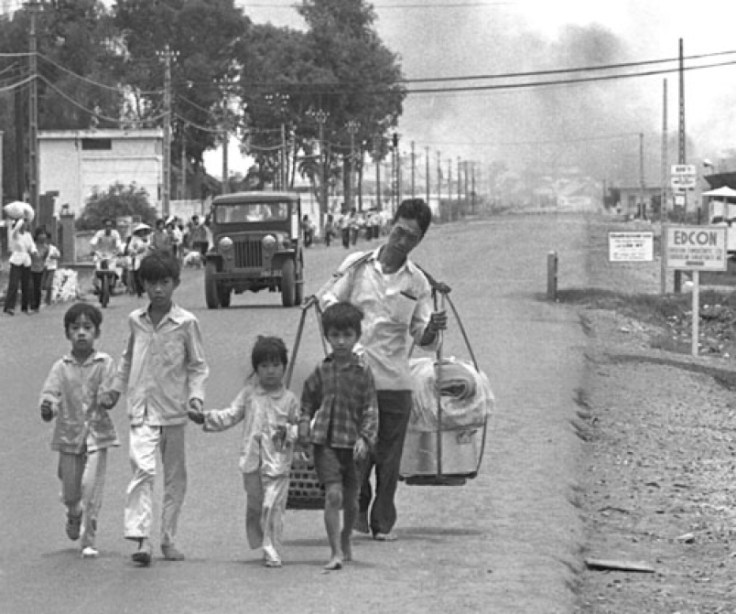
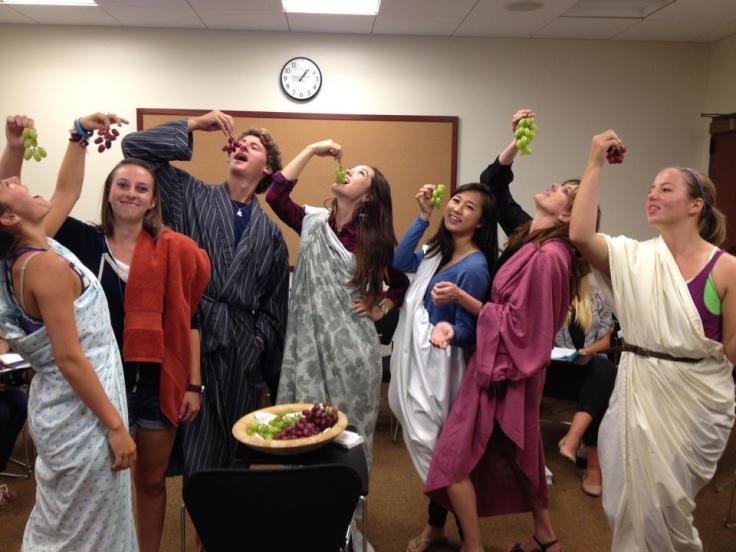
This two-part reflection was inspired by my Great Books classes in the last two years, and by this photo from my Pepperdine colleague Donna Plank. Norman Rockwell’s classic illustration “Freedom From Want,” which I showed in the American history survey class last week, reminded me to finish these posts before Thanksgiving. Gobble gobble!
With two exceptions, all of my non-academic jobs have involved foodstuffs to some extent.
Continue reading “Reading about food & drink #1”

There are fifteen weeks of classes at Pepperdine this semester, and today is the exact mid-point. There have been some lovely moments and experiences in my Great Books and American history classes. The following was the loveliest of all.
My history survey course includes weekly quizzes, and two weeks ago the quiz was about nineteenth-century immigration. There were questions about German and Irish immigrants, and I also threw in the following extra-credit bit about Scandinavians.
Imagine that Ben Carson and Bernie Sanders were running for the White House in the 19th century. Which one would most Norwegian immigrants have voted for? Why?
Upon reaching the EC, one of the students looked up and asked aloud in complete innocence, “Who are Ben Carson and Bernie Sanders?”
It’s New Student Orientation, and earlier today I had the pleasure of meeting students assigned to my Great Book I sections, plus their parents in a separate meeting. I showed both groups the following video about the same class a year ago.
I hope you’ll get a kick watching even though (or because) it highlights activities other than discussion, which constituted the bulk of class time. “I love the discussion that occurs in this class,” wrote a student in the course evaluation, “This class is essentially many intelligent people gathering to discuss ideas and perspectives.”

Continue reading “Please, more Romeo and Juliet in college!”
 tuannyriver
You must be logged in to post a comment.