It is always tricky writing about “the best” or “the most XYZ” song. But this year marks the centenary of the Marian apparitions in Fátima, and more Vietnamese Americans travelled to Portugal than any previous year. It made me think of the song Lời Mẹ Nhắn Nhủ [Words of Our Lady], better known by its informal title Năm Xưa Trên Cây Sồi [Years Ago on an Oak Tree]. I’m not very keen on awards, especially awards of recent productions. But I’m more open to retrospective awards. Were there an award for the category “the most devotional Marian song or hymn written in Vietnamese in the twentieth century,” I’d vote for this song.
Continue reading “My nomination for the most devotional Vietnamese song about Mary”
I was on campus today for my first meeting of the new school year. It was the first time back since late May, meaning that yesterday was the unofficial last day of my summer. Like last summer, I worked at home and it gave me more downtime and a chance to catch up with popular culture.
Continue reading “I know what you watched last summer #2: my dancing portfolio”


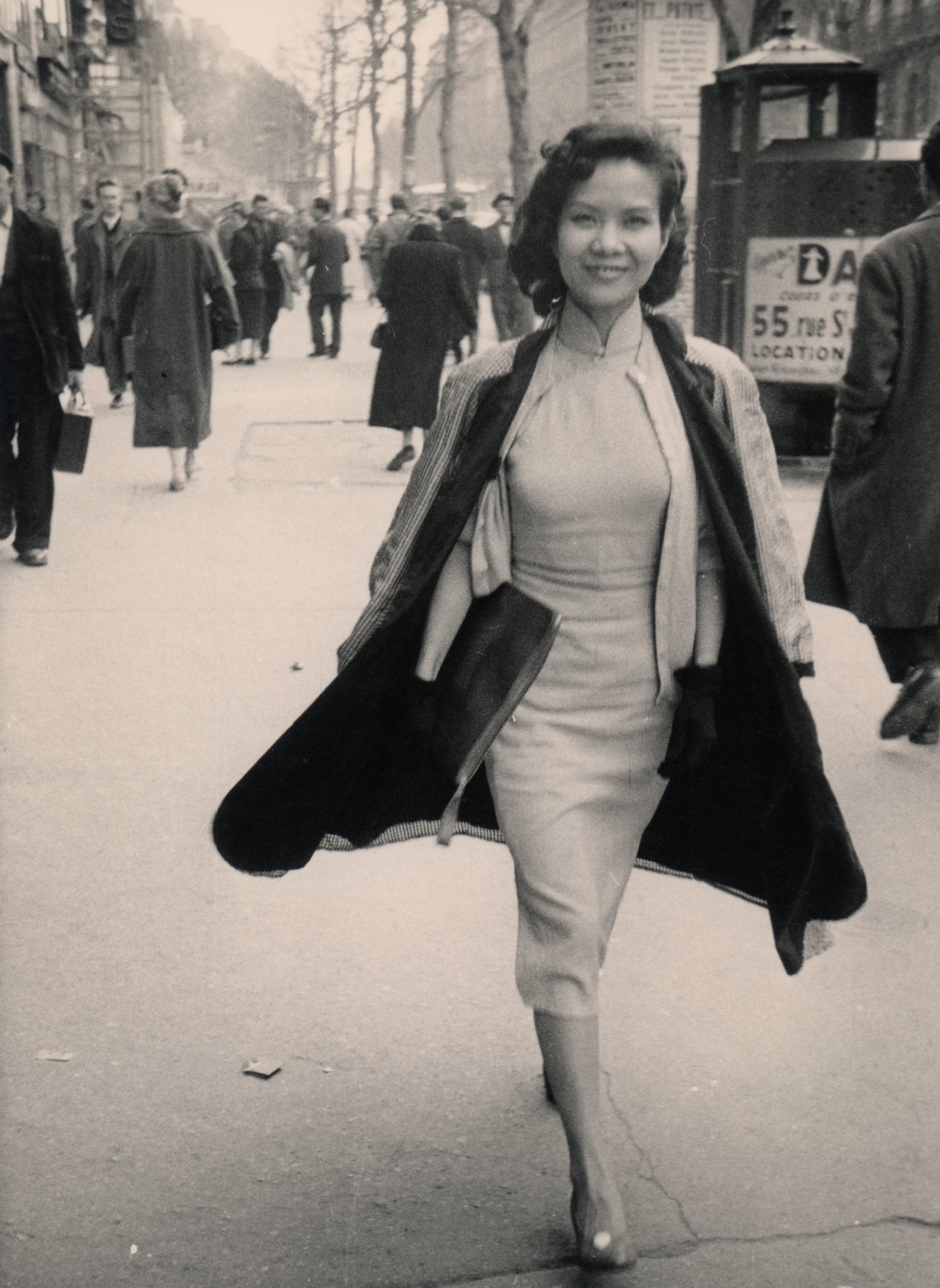
This song is most interesting because the original lyrics were written in Paris by the writer Minh Đức Hoài Trinh: in 1962 or thirteen years before the Fall of Saigon.
Continue reading “Song of refugees #3 – Ai Trở Về Xứ Việt (Who Are Returning to the Viet Land?)”
Ask Vietnamese to name Vietnamese female singers that they love, and you can expect to hear many names. Ask them to name a Vietnamese female songwriter, and just about everyone will be stumped by the question. For there has been little recorded popular music written by Vietnamese women. I have no explanation for the wide discrepancy. But such was the case, at least in South Vietnam and the postwar diaspora.
Continue reading “Song of refugees #4 – Anh Vẫn Mơ Một Ngày Về (I Still Dream of Returning One Day)”
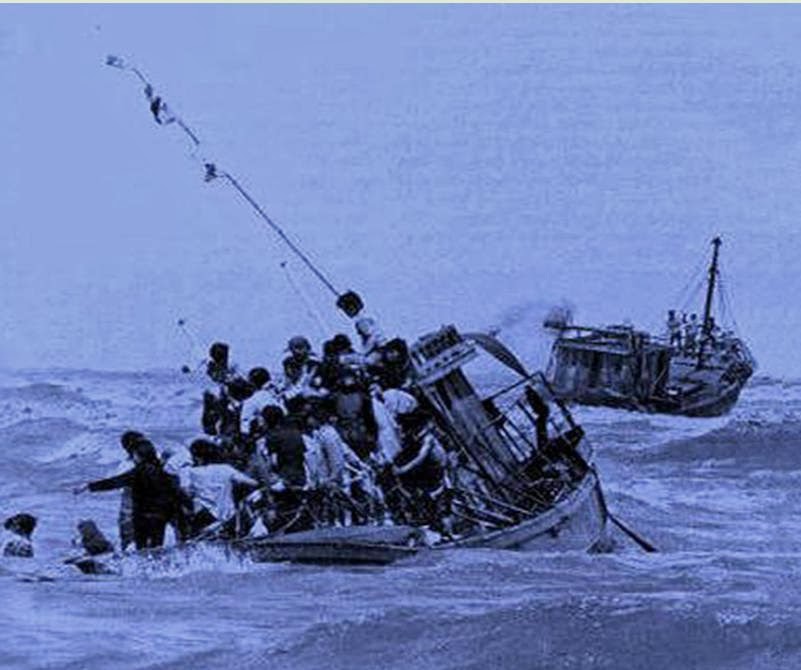
My last post notes a fire that I experienced in Minnesota back in the 1980s. After I posted the link on Facebook, a fellow former refugee responded that he remembers people ran out of the building that night and carrying “nothing but boomboxes.”
Funny, you say, but it is illustrative of two things. First, Vietnamese music was very, very important to the refugees. Second, after automobiles boomboxes were the most valuable possessions for many refugees back then, especially men in the twenties and thirties, some of whom populated the apartment building that was burned down.

Continue reading “Song of refugees #6: Bài Hát Học Trò (A Student Song)”


You must be logged in to post a comment.